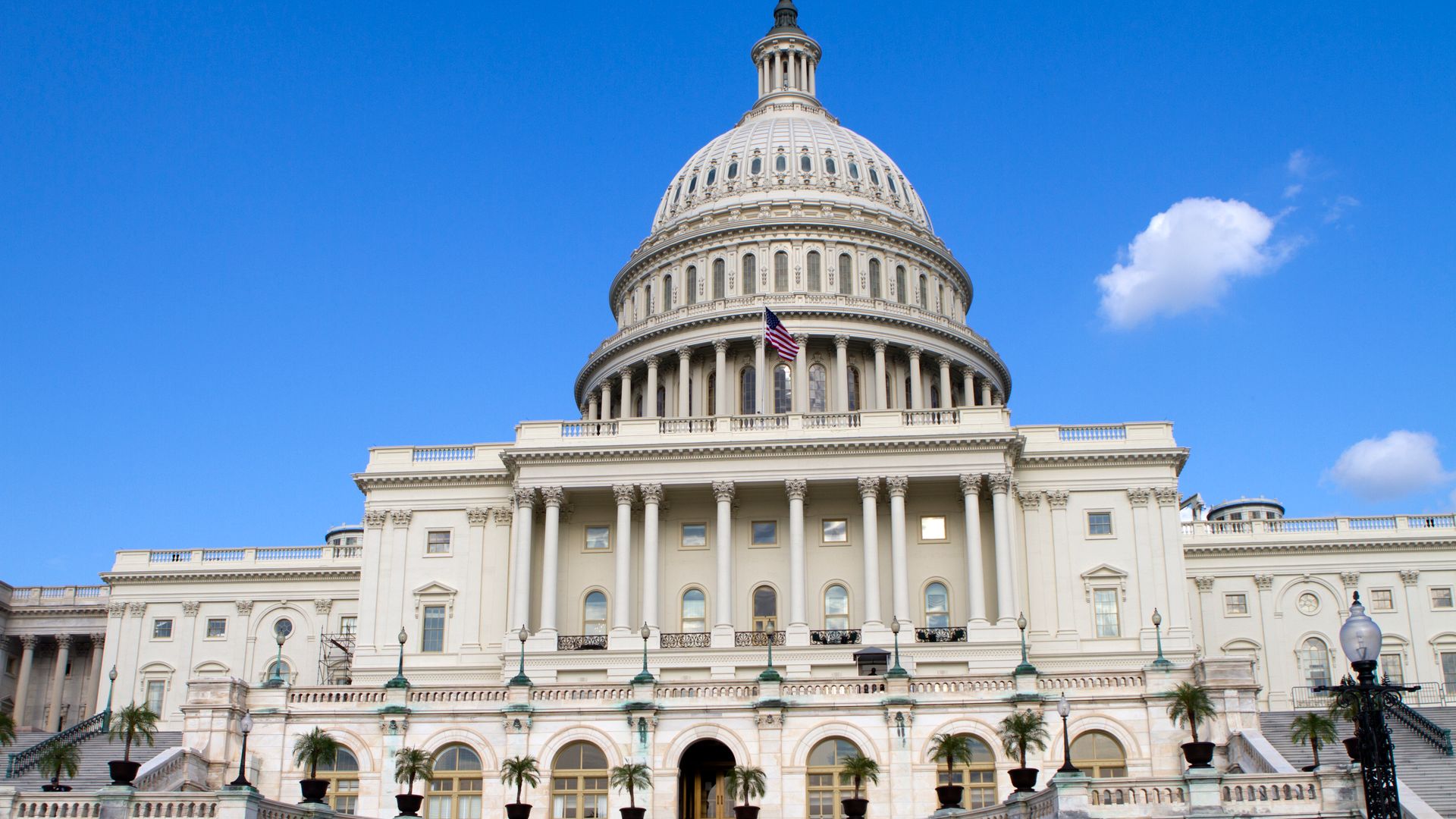
Crypto’s most consequential story today isn’t a candle on a chart — it’s the pile of unfinished rulemaking in Washington. The SEC has put the first crypto-specific fundraising framework in 90 years out for comment, the Senate has a make-or-break procedural vote on market-structure legislation penciled in for mid-September, and the stablecoin rules Congress ordered a year ago are being written past their statutory deadline by agencies on their own clock. Meanwhile, spot prices have gone quiet after one of the most violent short squeezes since 2021.
Washington Is Writing the Rulebook — Slowly, and in Three Places at Once
The SEC proposed “Regulation Crypto Assets” on August 18, and the crypto-native reaction has been more measured than the headline deserves. It creates tailored pathways for token offerings: a startup exemption of up to $5 million over four years without audited financials, a two-tier fundraising exemption reaching $75 million annually for U.S. issuers under staff review, and — the piece that matters most for secondary markets — a safe harbor letting a crypto asset exit securities treatment once the issuer completes its promised development work and files transition documents. Qualifying secondary trades would also be preempted from state registration.
Chair Paul Atkins has framed the approach as the minimum effective dose of regulation. The catch is timing: the comment period runs 60 days from Federal Register publication, and the rule realistically doesn’t bind anyone until mid-2027. Traders pricing this in today are pricing an intention, not a regime.
The legislative track is messier. The Digital Asset Market Clarity Act (H.R. 3633) passed the House 294–134 back in July 2025 and cleared Senate Banking 15–9 in May, but it still has no floor vote. A cloture vote is expected around September 15, and it needs 60. With only a couple of Democrats on record in committee, the bill requires something like seven crossovers. Three sticking points remain unresolved: enforceable conflict-of-interest rules covering presidential crypto income, the Section 604 liability shield for non-custodial DeFi developers, and whether exchanges can pass stablecoin yield to users. Outside handicapping has swung wide, from roughly even odds in July to pricing near 20% more recently — a spread that is itself the signal.
Stablecoins are the quiet third front. The GENIUS Act’s one-year rulemaking deadline lapsed on July 18 with no final rules in place. The OCC now targets a final stablecoin rule by November, licensing from January 2027, and an effective date around March 2027, while FinCEN, OFAC, the FDIC and NCUA run parallel tracks. USDC, RLUSD and PYUSD face incremental adjustments. Tether’s position is more precarious: USDT needs a Treasury reciprocity determination that hasn’t been issued to legally serve U.S. businesses post-implementation, which is the clearest explanation for why USAT exists at all.
On enforcement, CFTC Chair Michael Selig has signaled he’ll act with or without Congress, saying at the August 19 White House crypto summit that the agency is working to bring offshore derivatives venue Hyperliquid into U.S. compliance — a remark that moved HYPE roughly 11%. Nothing said there was an approval.
Today’s Prices: A Market Catching Its Breath
Figures below are mid-session readings on August 27 and vary meaningfully by exchange and timestamp. Bitcoin traded both sides of $80,000 within the same session, with reputable sources publishing prints from roughly $78,900 to $80,500 hours apart. We’re publishing the range rather than a false midpoint.
| Asset | Price (range) | 24h | 7d |
|---|---|---|---|
| Bitcoin (BTC) | $78,900 – $80,500 | -1% to +0.6% | +14% to +26% |
| Ethereum (ETH) | $2,499 – $2,507 | +1.0% to +2.6% | +11.3% |
| XRP | $1.41 – $1.43 | -0.8% to -2.9% | +28% |
| Solana (SOL) | $101 – $102.20 | +3.8% to +5.8% | +9% to +12% |
| BNB | — | +0.9% | Positive |
| Bittensor (TAO) | ~$247 | +5.3% | +18% |
| Zcash (ZEC) | — | -4.1% | +41% (prior week) |
| Ethena (ENA) | — | +2.5% | Positive |
| Morpho (MORPHO) | — | +2.7% | Positive |
Total market capitalization sits near $2.7–2.8 trillion on 24-hour volume around $135 billion. The Fear & Greed Index has climbed into the low 70s — Greed — from a neutral 54 a week ago. The Altcoin Season Index went the other way, falling to 38 from 51: attention narrowed back toward Bitcoin after its breakout rather than broadening out.
The Deleveraging Nobody Should Skip Past
The green candles of the past week were not organic accumulation. On August 20, roughly $3 billion in short positions were liquidated in what was arguably the largest single liquidation event since 2021, with short liquidations alone tallying about $1.74 billion — the second-largest on record. The trigger was macro plumbing rather than crypto: the U.S. Treasury doubled its long-dated bond buybacks and traders who had built bearish positions during Bitcoin’s six-week range got run over. Bitcoin went from around $69,000 to above $71,000 to a brush with $80,000 in the space of days; Ethereum posted a 17.8% single-day move.
That matters for how you read today’s tape. Analysts pointing at falling open interest are making a reasonable case that much of the move was short covering rather than fresh directional buying — and short covering exhausts itself. Spot ETF demand is the one leg of this rally that has to keep showing up daily to stay true.
ETF Flows: The Streak Is the Story
Spot Bitcoin ETFs have logged eight consecutive sessions of net inflows totaling roughly $2.8 billion, the longest run since April. The week of August 17–21 was the complex’s best of 2026: about $1.92 billion into Bitcoin products and $697 million into Ethereum products, $2.62 billion combined. IBIT took $1.33 billion of that, FBTC $293 million, ARKB $127 million; on the Ethereum side ETHA drew $537 million against $56 million for FETH.
The streak carries more information than the dollar figure. The prior week (August 10–14) saw combined net outflows above $390 million, so this is a genuine reversal in allocator behavior, not a continuation. Bitcoin is also testing a supply wall near $80,000 that coincides closely with the average cost basis of ETF holders — the level where paper losses become break-even decisions.
Macro: Traders Have Started Pricing a Hike
Here is where the setup gets uncomfortable. Headline PCE came in at 3.7% year-over-year, a tenth above forecast. July payrolls showed employers cutting 23,000 positions, and May–June hiring was revised down by a combined 103,000. Normally a labor market that soft argues for cuts — and futures did briefly flip toward a hold, with CME-implied odds of no change at the September 15–16 meeting rising to around 56%.
But shorter-dated Treasuries sold off overnight as some traders added hike bets, and Fed Chair Kevin Warsh has been explicit about driving inflation back to 2%. His first Jackson Hole address as chair lands Friday, three weeks ahead of the decision. A hawkish speech into an ETF-driven, short-covering-assisted rally is the clearest near-term risk on the board.
Context Worth Keeping
Two things can be true. Bitcoin’s 30-day gain of roughly 21% and Ethereum’s 28% are real. So is the fact that Bitcoin remains down close to 29% year-over-year and Ethereum down about 45%. This is a rebound inside a drawdown, not a resumed bull market, and the technical case for more upside rests on clearing the May high near $82,820 — a break some desks argue opens a path back toward $100,000.
One non-U.S. note worth keeping in view: adoption in Latin America continues to run through stablecoins rather than volatile assets, with Brazil recording roughly 98% of first-quarter crypto purchases in stablecoins. What Washington decides about USDT reciprocity and yield arrangements will land well beyond U.S. borders.
Summary: Today’s Key Takeaways
- Regulation is the day’s real story: three separate U.S. rulemaking tracks — securities, market structure, stablecoins — are all mid-flight simultaneously.
- SEC proposed “Regulation Crypto Assets” on August 18, the first crypto-specific offering framework in 90 years, now in a 60-day comment period.
- Key SEC provisions: a $5M startup exemption, tiered exemptions up to $75M annually, a decentralization safe harbor, and state-registration preemption for qualifying secondary trades.
- The rule won’t bind anyone until roughly mid-2027, so today’s pricing reflects intent rather than an operative regime.
- CLARITY Act faces a ~September 15 cloture vote needing 60 votes, with passage odds estimated anywhere from near-even to about 20% depending on the source.
- Three unresolved fights: conflict-of-interest rules, DeFi developer liability under Section 604, and whether exchanges may pass stablecoin yield to users.
- GENIUS Act rulemaking blew its July 18 deadline; the OCC targets a final rule by November, licensing from January 2027, effectiveness around March 2027.
- Tether still lacks a Treasury reciprocity determination, which explains USAT as a regulatory hedge; USDC, RLUSD and PYUSD face lighter adjustments.
- Bitcoin traded roughly $78,900–$80,500 today, flat to slightly lower on the session; figures vary by exchange and timestamp.
- Solana led the majors, up roughly 4–6% near $101–102, while XRP fell 1–3% despite holding the best weekly gain among large caps at about 28%.
- A $3 billion short squeeze on August 20 — the largest liquidation event since 2021 — drove much of last week’s rally, triggered by expanded U.S. Treasury bond buybacks.
- Falling open interest suggests short covering, not fresh buying, is behind a meaningful share of the move.
- Spot Bitcoin ETFs logged eight straight days of inflows totaling ~$2.8 billion, the longest streak since April, reversing outflows from the prior week.
- Macro is a two-sided risk: PCE at 3.7% and traders adding Fed hike bets, against a labor market that shed 23,000 July jobs with 103,000 in downward revisions.
- Warsh speaks at Jackson Hole Friday, three weeks before the September 15–16 FOMC — the clearest near-term catalyst in either direction.
Disclaimer: This article is for informational purposes only and does not constitute investment, financial, legal or tax advice. Cryptocurrency markets are highly volatile and you may lose your entire investment. Price data varies across exchanges and timestamps and may be out of date by the time you read this. Nothing here is a recommendation to buy, sell or hold any asset. Always conduct your own research and consider consulting a licensed financial professional before making investment decisions.